How to Handle Academic Burnout Early
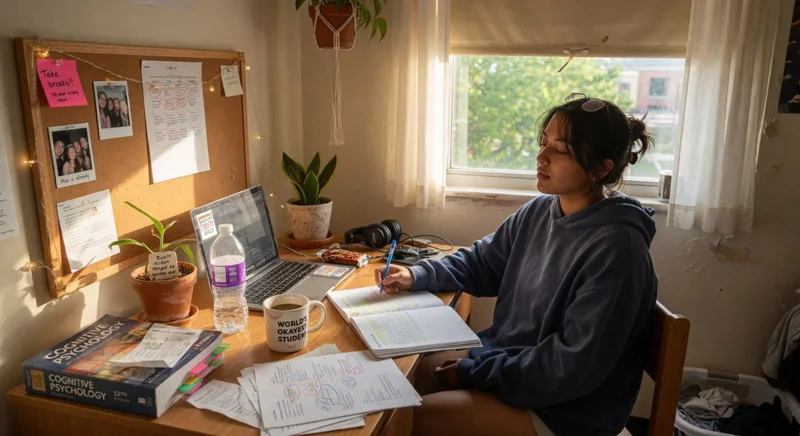
Learning how to handle academic burnout early can protect your energy, motivation, grades, and mental health. By noticing warning signs and making small changes before exhaustion takes over, you can regain control without abandoning your goals.
What Is Academic Burnout?
Academic burnout is a pattern of emotional, mental, and physical exhaustion caused by ongoing study-related stress. It can affect high school students, college students, graduate students, and anyone balancing school with work, family, or financial responsibilities.
The World Health Organization describes burnout through exhaustion, increased mental distance or cynicism, and reduced effectiveness. Although its formal classification relates to work, similar symptoms can appear in demanding academic environments.[1]
Academic burnout is more than feeling tired after an exam. It tends to build gradually when pressure continues without enough recovery, support, or realistic boundaries.
Recognize the Early Signs of Student Burnout
Early recognition is one of the most effective ways to prevent burnout from becoming severe. Ask yourself whether several of these changes have appeared recently:
- Persistent fatigue, even after sleeping
- Difficulty concentrating or remembering information
- Procrastination and avoidance of assignments
- Loss of motivation or interest in classes
- Irritability, anxiety, frustration, or frequent mood changes
- Feeling disconnected from classmates, friends, or family
- Declining grades or missed deadlines
- Changes in sleep, appetite, or daily routines
- Feeling hopeless, overwhelmed, or ineffective
These symptoms can overlap with anxiety, depression, sleep disorders, or other health concerns. If they persist or interfere with daily life, consider speaking with a qualified mental health professional.
How to Handle Academic Burnout Early
1. Stop and assess your workload
When everything feels urgent, pause before adding another productivity system. Write down every academic, work, family, and personal commitment. Then separate tasks into three categories:
- Essential: deadlines, exams, meals, sleep, and health needs
- Important: projects and responsibilities that can be scheduled
- Optional: activities that can be postponed, delegated, or declined
Reducing your workload is not failure. It is often the practical first step in academic burnout recovery.
2. Break large assignments into smaller actions
A large paper or exam can feel impossible when you are already mentally exhausted. Replace vague goals such as “study chemistry” with specific actions like “review pages 20–30” or “complete five practice questions.”
Try working for 25 minutes, followed by a five-minute break. Short study sessions can reduce resistance and make it easier to restart after a difficult day. Stanford’s student guidance also recommends dividing projects into smaller tasks and scheduling regular breaks.[2]
3. Protect sleep, food, and movement
Self-care is not a reward you earn after finishing your workload. It is part of your academic performance plan. Sleep supports attention, learning, memory, and emotional regulation, while regular meals and light movement help maintain energy.
- Keep a reasonably consistent sleep and wake schedule.
- Eat regular meals instead of relying on caffeine and snacks.
- Take a walk, stretch, or exercise briefly during the day.
- Use a wind-down routine before bed.
- Schedule breaks before you feel completely depleted.
Healthy routines will not eliminate every academic stressor, but they can make stress more manageable.
4. Communicate before you reach a crisis
Contact instructors, academic advisers, tutors, or student support services as soon as you notice burnout symptoms. Explain the situation clearly and ask about realistic options, such as an extension, revised study plan, tutoring, reduced commitments, or an incomplete course arrangement where appropriate.
Waiting until every deadline has passed often creates more pressure. Early communication gives others more opportunity to help.
5. Challenge perfectionism
Perfectionism can turn ordinary academic tasks into constant tests of self-worth. Replace “I must do this perfectly” with “I will complete the most important part carefully within the time I have.”
Set a definition of “good enough” before starting an assignment. This helps prevent endless editing, overstudying, and comparison with classmates.
Build a Sustainable Study Routine
A burnout-resistant routine includes both focused work and recovery. Plan your week around your fixed commitments first, then add study blocks with realistic limits. Avoid filling every available hour; an overloaded schedule leaves no room for illness, delays, or rest.
| Challenge | Helpful adjustment |
|---|---|
| Too many deadlines | Prioritize by urgency and academic impact |
| Difficulty starting | Choose a five-minute first step |
| Constant distractions | Study in a quieter location and silence notifications |
| Low energy | Review sleep, meals, breaks, and workload |
| Feeling isolated | Contact a friend, classmate, adviser, or counselor |
When to Seek Professional Support
Reach out to a counselor, doctor, or mental health professional if burnout symptoms last for weeks, worsen, or affect sleep, eating, attendance, relationships, or safety. Feelings of hopelessness, severe anxiety, substance misuse, or thoughts of self-harm require prompt support.
If you may hurt yourself or cannot stay safe, contact local emergency services or a crisis service immediately. You do not need to wait until the situation becomes unbearable to ask for help.
Conclusion: Address Burnout Before It Takes Over
Knowing how to handle academic burnout early means treating warning signs as useful information rather than a personal weakness. Reduce unnecessary pressure, divide work into manageable steps, protect basic health habits, and ask for academic or professional support early. Sustainable progress comes from balancing effort with recovery—not from working until you have nothing left.
You May Also Like
 Careers
What No One Explains About the First Year of Work
 Careers
Understanding Employee Benefits for the First Time
 Real Estate
Your First Apartment Checklist After Graduation