How to Understand Your Credit Score and Improve It
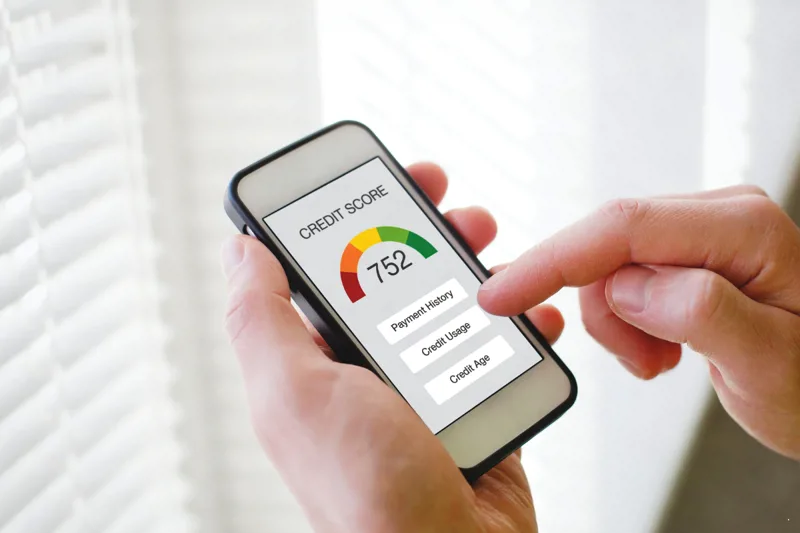
Ever wondered what that mysterious three-digit number means for your financial future? Your credit score isn’t just a number—it’s a powerful tool that can open doors or slam them shut. Here’s how to decode your credit score and take control of your financial destiny.
What Is a Credit Score?
A credit score is a numerical prediction of your credit behavior—essentially, how likely you are to repay borrowed money on time. Lenders, landlords, and even some employers use this number to gauge your financial trustworthiness. Most credit scores range from 300 to 850, with higher scores signaling lower risk to lenders and often unlocking better interest rates and loan terms for you.[1][4]
Why Does Your Credit Score Matter?
Your credit score is more than just a number; it’s a snapshot of your financial health. It can affect your ability to:
- Qualify for loans, credit cards, and mortgages
- Secure lower interest rates and better loan terms
- Rent an apartment or get utility services
- Even land certain jobs, especially in finance
A strong credit score can save you thousands over your lifetime, while a low score can make borrowing expensive—or impossible.[4]
How Is Your Credit Score Calculated?
Credit scores are calculated using information from your credit report, run through a mathematical formula called a scoring model. The most widely used model is the FICO Score, which breaks down your credit profile into five key categories:[2][3][4]
- Payment History (35%): Have you paid your bills on time? Late or missed payments can seriously hurt your score.
- Amounts Owed (30%): This is your credit utilization—the percentage of your available credit you’re using. Lower is better.
- Length of Credit History (15%): The longer you’ve managed credit responsibly, the better.
- Credit Mix (10%): A variety of credit types (credit cards, loans, retail accounts) shows you can handle different kinds of debt.
- New Credit (10%): Opening several new accounts in a short time can signal risk and lower your score.
Each scoring model may weigh these factors differently, and your score can vary depending on the data used and when it’s calculated.[1][2][3]
What Impacts Your Credit Score?
- On-time payments are the single most important factor. Even one missed payment can have a big impact.
- High credit card balances relative to your limits can drag your score down, even if you pay on time.
- Short credit history or closing old accounts can lower your score by reducing your average account age.
- Too many hard inquiries (from applying for new credit) in a short period can signal risk.
- Bankruptcies, foreclosures, or accounts in collections can severely damage your score for years.
Remember, you don’t have just one credit score—different lenders may see different numbers depending on the scoring model and the data they use.[1][3]
How to Improve Your Credit Score
Ready to boost your score? Here’s how to take action:
- Pay bills on time, every time. Set up reminders or automatic payments to avoid late fees and dings to your score.
- Keep credit card balances low. Aim to use less than 30% of your available credit—lower is even better.
- Don’t close old accounts unless necessary. Older accounts help lengthen your credit history.
- Limit new credit applications. Only apply for new credit when you really need it to avoid multiple hard inquiries.
- Check your credit report regularly. Look for errors or fraudulent activity and dispute any inaccuracies you find.
- Build a healthy credit mix. If you only have credit cards, consider adding a small installment loan (like a credit-builder loan) to diversify your profile.
Improving your credit score is a marathon, not a sprint. Consistent, responsible credit behavior over time is the surest way to see your score climb.[2][3][4]
Take Charge of Your Financial Future
Understanding your credit score is the first step toward financial empowerment. By knowing what goes into your score and making smart choices, you can unlock better opportunities, save money, and build a solid foundation for your future. Your credit score is in your hands—start shaping it today!
You May Also Like
 Careers
What No One Explains About the First Year of Work
 Careers
Understanding Employee Benefits for the First Time
 Real Estate
Your First Apartment Checklist After Graduation