The Difference Between Front-End and Back-End Development
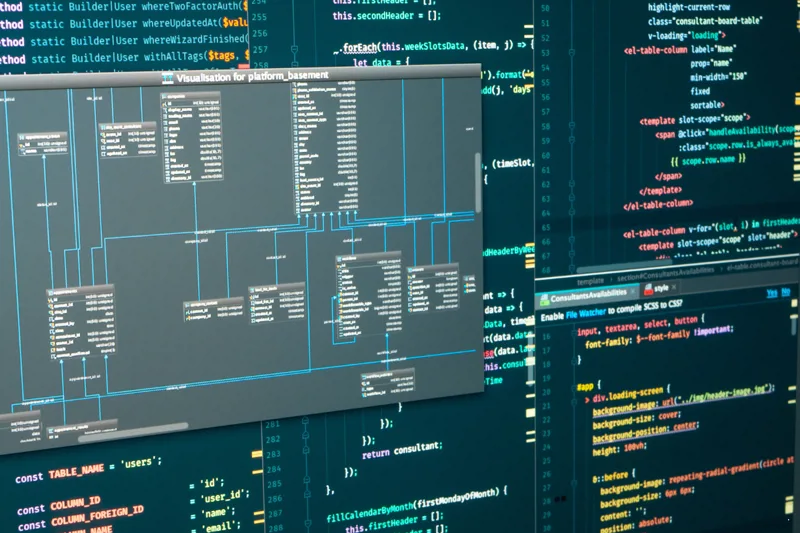
Ever wondered what makes your favorite websites tick? The answer lies in the dynamic duo of front-end and back-end development. These two disciplines power every digital experience, blending creativity and logic to bring the web to life. Let’s dive into what sets them apart—and why both are essential for the modern internet.
What Is Front-End Development?
Front-end development is all about the visual elements and user interactions you see on a website. Think of the layout, colors, fonts, buttons, and animations—the entire look and feel that greets you when you land on a page. Front-end developers are the architects of this digital storefront, ensuring every click, scroll, and swipe feels seamless and intuitive.
- Technologies: HTML, CSS, JavaScript
- Frameworks & Libraries: React, Angular, Vue.js, Bootstrap, SASS, jQuery
- Focus: User experience (UX), interface design, responsiveness, accessibility
- Collaboration: Work closely with designers, UX/UI specialists, and back-end developers
The front-end is often called the client side because it runs in your browser, directly shaping what you see and how you interact with a site.[1][2]
What Is Back-End Development?
Back-end development is the engine room of a website. It’s where the logic, data processing, and server communication happen—everything that powers the site behind the scenes. When you submit a form, log in, or make a purchase, the back-end is hard at work handling your request, talking to databases, and sending the right information back to the front-end.
- Technologies: Python, Java, PHP, Ruby, Node.js
- Frameworks: Django, Laravel, Spring, Symfony, Express.js
- Databases: MySQL, PostgreSQL, MongoDB
- Focus: Application logic, data storage, security, server management
- Collaboration: Work with front-end developers, system administrators, and database engineers
The back-end is known as the server side—it’s invisible to users but absolutely vital for a site’s functionality.[1][2]
Front-End vs. Back-End: A Side-by-Side Comparison
| Aspect | Front-End | Back-End |
|---|---|---|
| Role | Designs and builds the user interface | Creates and manages the site’s logic, data, and server operations |
| Main Languages | HTML, CSS, JavaScript | Python, Java, PHP, Ruby, Node.js |
| Frameworks | React, Angular, Vue.js, Bootstrap | Django, Laravel, Spring, Symfony |
| Focus | User experience, design, interactivity | Data processing, security, server logic |
| Works With | Designers, UX/UI, back-end devs | Front-end devs, system admins, DBAs |
| Average Salary (US) | $80,796 | $90,652 |
[1][2]
How Do Front-End and Back-End Work Together?
The magic of the web happens when front-end and back-end development join forces. The front-end sends requests to the back-end—like fetching user data or submitting a form. The back-end processes these requests, interacts with databases, and returns the necessary information, which the front-end then displays in a user-friendly way.
This collaboration ensures that websites are not only beautiful and interactive but also functional, secure, and scalable. Without a strong back-end, even the most stunning interface would be useless. And without a polished front-end, users would never see the power of the back-end in action.[1][2]
Which Path Is Right for You?
If you love design, creativity, and user experience, front-end development might be your calling. If you’re drawn to problem-solving, logic, and data, back-end development could be your perfect fit. Many developers even choose to master both, becoming full-stack developers who can build entire applications from start to finish.
Conclusion
The difference between front-end and back-end development is more than just technical—it’s a blend of art and science, creativity and logic. Both are essential for building the digital world we rely on every day. Whether you’re a future developer or a curious user, understanding these roles will give you a deeper appreciation for the web’s hidden complexity and beauty.
You May Also Like
 Careers
What No One Explains About the First Year of Work
 Careers
Understanding Employee Benefits for the First Time
 Real Estate
Your First Apartment Checklist After Graduation