Questions to Ask on a Campus Visit
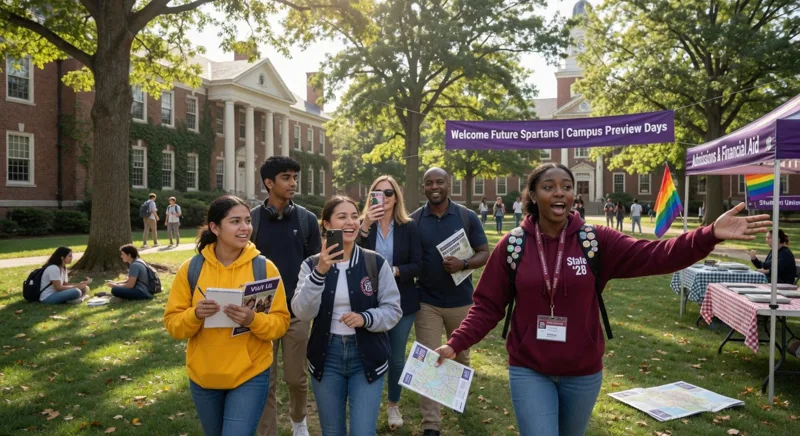
A campus visit is more than a walk through lecture halls and residence buildings. The right questions to ask on a campus visit can reveal what daily college life is really like, from academic support and student housing to financial aid, campus safety, and career preparation.
Questions to Ask About Academics and Your Major
A college may look impressive, but the academic experience should match your goals. Ask questions that help you understand class sizes, faculty access, degree requirements, and opportunities within your intended program.
- What is the average class size for introductory and advanced courses?
- How accessible are professors outside class?
- Are professors primarily focused on teaching, research, or both?
- How easy is it to meet with an academic adviser?
- How often do students get into the courses they need to graduate on time?
- Are internships, research projects, clinical placements, or co-op programs available?
- What happens if I decide to change my major?
- How long do students typically take to complete this degree?
If possible, visit a department connected to your intended major. Ask to see relevant laboratories, studios, libraries, technology, or specialized equipment. You can also ask current students whether their classes feel engaging and whether instructors provide useful feedback.
Questions for Current College Students
Admissions staff can explain official policies, but current students often provide the clearest picture of campus culture. Try speaking with more than one student, including someone outside your tour group.
- What do you like most about this college?
- What surprised you after arriving on campus?
- What is the biggest challenge students face here?
- What do students do on weekends?
- Is it easy to make friends as a first-year student?
- How competitive or collaborative are students?
- Where do students usually study?
- Who do you contact when you need academic or personal help?
Pay attention not only to the answers, but also to how comfortable students seem when responding. Honest, specific examples are generally more helpful than broad descriptions of the “college experience.”
Questions About Housing, Dining, and Daily Life
Housing and meal plans can have a major effect on both your comfort and your total college cost. Ask detailed questions about availability, contracts, room types, and what is included.
- Is on-campus housing guaranteed for first-year students?
- How many years are students required or permitted to live in residence halls?
- How are roommates selected?
- What furniture and appliances are included in each room?
- Are there quiet floors, themed communities, or living-learning communities?
- How are maintenance requests handled?
- What meal plans are available, and can unused meals or dining dollars carry over?
- Are vegetarian, vegan, allergy-friendly, halal, or kosher meals available?
- What is campus like when classes are not in session?
During the tour, inspect residence halls, bathrooms, study spaces, laundry areas, dining facilities, and common rooms. A scheduled tour may show the best parts of campus, so notice practical details such as noise, cleanliness, accessibility, and distance between buildings.
Questions About Tuition, Financial Aid, and College Costs
The published tuition price is only one part of the cost of attendance. Ask about tuition, room and board, student fees, transportation, books, health insurance, and how expenses may change after your first year.
- What is the estimated total cost of attendance for one academic year?
- Which fees are separate from tuition?
- How often do tuition, housing, and meal-plan prices increase?
- How are scholarships renewed each year?
- Does financial aid typically change after freshman year?
- What percentage of demonstrated financial need is usually met?
- Are work-study or on-campus jobs available?
- Can students receive aid for study abroad or summer courses?
- Who can answer questions about the FAFSA, state aid, and financial aid appeals?
Request a clear explanation of the difference between grants, scholarships, loans, and work-study. A lower initial price is not always the least expensive option if aid is difficult to renew or if additional fees are substantial.
Questions About Student Support and Wellness
Successful students use support services before problems become overwhelming. Find out whether help is convenient, confidential, accessible, and included in the cost of attendance.
- What tutoring, writing, math, and study-skills services are available?
- How does the college support students with disabilities or learning differences?
- How quickly can students access counseling services?
- Is the student health center included in tuition or billed separately?
- Are advisers available for first-generation, transfer, veteran, or international students?
- What resources help students manage stress and balance academics with work?
Questions About Campus Safety and Accessibility
Safety questions should be specific and practical rather than limited to whether people “feel safe.” Ask how the college communicates during emergencies and how students travel around campus after dark.
- How does campus security respond to emergencies?
- How are safety alerts sent to students?
- Are residence halls secured, and who can enter them?
- Is late-night transportation available?
- Are walkways, classrooms, and residence halls accessible?
- Where can students find the college’s annual security report?
- How does campus safety coordinate with local police and emergency services?
Questions About Careers and Life After Graduation
College is an investment in your education and future opportunities. Ask how the school helps students gain experience, build professional connections, and transition into employment or graduate school.
- When can students begin using career services?
- How many internships or co-op opportunities are available?
- Does the college host career fairs for my major?
- Are alumni willing to mentor current students?
- What support is available for graduate or professional school applications?
- How does the college track graduation, employment, and graduate-school outcomes?
How to Make the Most of Your Campus Visit
- Prepare a short list of questions before arriving.
- Separate questions for admissions staff, professors, and current students.
- Take notes immediately, including first impressions and concerns.
- Visit key facilities related to your major.
- Explore the surrounding neighborhood, transportation, and off-campus services.
- Compare colleges using the same categories: academics, cost, housing, support, safety, and career outcomes.
The best campus visit questions help you look beyond attractive buildings and marketing materials. Ask specific, open-ended questions, listen to different perspectives, and imagine an ordinary Tuesday—not just an exciting tour day. With the right information, you can choose a college that fits your academic goals, budget, personality, and long-term plans.
References
You May Also Like
 Careers
What No One Explains About the First Year of Work
 Careers
Understanding Employee Benefits for the First Time
 Real Estate
Your First Apartment Checklist After Graduation