How to Write a First Resume With Little Experience
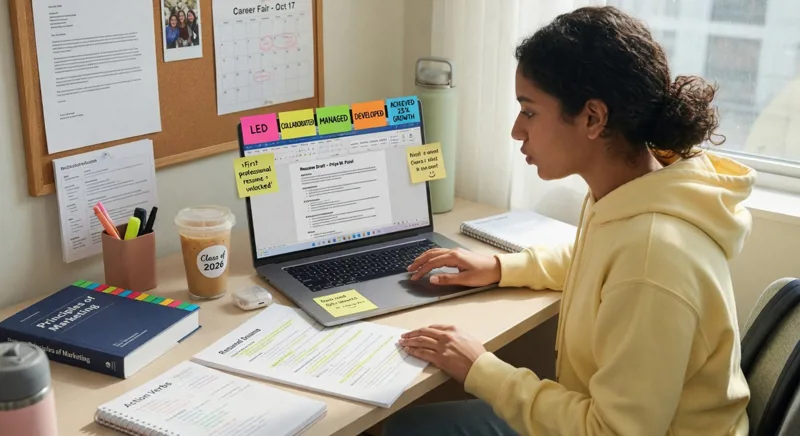
Writing your first resume can feel difficult when you have limited work history. The good news? Employers also value education, projects, volunteer work, leadership, and transferable skills. With the right structure and specific examples, you can create a professional resume that shows what you can contribute.
Start With the Right Resume Structure
A first resume should be easy to scan and focused on the requirements of the job. Use a simple layout with clear headings, readable fonts, and consistent spacing. Most entry-level resumes should fit on one page.
Arrange your sections based on your strongest qualifications. If you are a student or recent graduate, place education near the top. If you have volunteer work, projects, or part-time jobs related to the position, include them under a heading such as Relevant Experience.
Useful resume sections include:
- Contact information
- Professional summary or resume objective
- Education
- Relevant experience
- Projects
- Skills
- Volunteer work, activities, or leadership
- Certifications and awards
Write a Strong Resume Summary or Objective
Your introduction should quickly explain who you are, what you can do, and what type of opportunity you want. Keep it to two or three sentences and tailor it to each job.
Instead of writing, “I have no experience and am looking for a job,” focus on your strengths and direction.
Example: “Motivated high school graduate with strong communication, organization, and customer service skills developed through volunteer work and school activities. Seeking an entry-level retail position where a positive attitude and attention to detail can support the customer experience.”
A resume objective can work well for a first job, especially when you are applying for an internship, apprenticeship, part-time role, or entry-level position.
Showcase Education and Relevant Coursework
When professional experience is limited, education can demonstrate commitment, knowledge, and useful skills. Include your school, location, degree or diploma, and graduation date or expected graduation date.
You may also include:
- Relevant coursework
- Academic honors
- Scholarships
- GPA, if it is a strength
- School competitions or presentations
- Research assignments related to the job
For example, an aspiring marketing assistant could list coursework in digital marketing, business communication, consumer behavior, or social media strategy. Choose subjects that connect directly to the position rather than listing every class.
Use Projects as Practical Experience
Class assignments, personal projects, group presentations, and online projects can help prove your abilities. Describe them like professional experience by explaining what you did, which tools you used, and what the result was.
Project example
Social Media Campaign Project | Business Communications Course
- Created a four-week social media campaign for a fictional small business.
- Developed audience profiles, post ideas, and a basic content calendar.
- Presented campaign recommendations to a class of 25 students.
This approach is stronger than simply writing “Completed a marketing project.” Whenever possible, include numbers, outcomes, or the scale of the work.
Include Volunteer Work, Activities, and Informal Experience
You do not need a formal job title to have valuable experience. Volunteer work, babysitting, tutoring, family responsibilities, sports, clubs, community events, and freelance tasks can reveal transferable skills.
For example:
- Tutoring can demonstrate communication, patience, and planning.
- Team sports can show collaboration, reliability, and goal-setting.
- Volunteering can demonstrate customer service, organization, and initiative.
- Babysitting can show responsibility, problem-solving, and time management.
- Running a school club can highlight leadership, event planning, and budgeting.
Use accomplishment-focused bullet points rather than listing only duties. Start bullets with strong action verbs such as organized, coordinated, created, supported, trained, researched, or managed.
Choose Skills That Match the Job Description
Read the job posting carefully and identify the skills the employer repeats. These may include communication, teamwork, customer service, data entry, Microsoft Office, research, social media, problem-solving, or attention to detail.
Only include skills you genuinely possess. Then support important skills elsewhere on the resume with examples. For instance, do not simply list “leadership”; explain how you led a project, coordinated an event, or organized a team activity.
Technical skills can be especially helpful for entry-level applications. Consider including software, languages, design tools, spreadsheet skills, coding languages, or industry certifications that relate to the role.
Make Your Resume ATS-Friendly
Many employers use applicant tracking systems to scan resumes for job-related keywords. A simple, text-based design improves readability for both software and hiring managers.
- Use standard headings such as Education, Skills, and Experience.
- Include keywords from the job description naturally.
- Avoid excessive graphics, text boxes, columns, and decorative icons.
- Use bullet points instead of dense paragraphs.
- Save the document as a PDF unless the employer requests another format.
- Proofread names, dates, email addresses, and job titles carefully.
First Resume Example Outline
Your Name
City, State | Phone | Professional Email | LinkedIn or Portfolio
Objective
Two or three sentences connecting your strengths to the target role.
Education
School Name — Diploma, Degree, or Program
Expected Graduation: Month Year
Relevant coursework, honors, or GPA if appropriate
Relevant Experience
Role or Project — Organization
- Action verb + task + skill or result
- Action verb + task + measurable detail
Skills
Communication, customer service, Microsoft Excel, organization, teamwork, research
Final Checklist Before You Apply
- Customize the summary and skills for the specific job.
- Replace vague phrases with concrete examples.
- Check that dates and formatting are consistent.
- Keep the resume concise and easy to scan.
- Ask a teacher, mentor, career adviser, or trusted adult to review it.
Learning how to write a first resume with little experience is mostly about recognizing the experience you already have. Education, projects, volunteering, activities, and everyday responsibilities can all demonstrate employable skills. Focus on evidence, match your resume to the role, and present your strengths clearly and honestly.
References
You May Also Like
 Careers
What No One Explains About the First Year of Work
 Careers
Understanding Employee Benefits for the First Time
 Real Estate
Your First Apartment Checklist After Graduation