The First Job Interview Questions to Prepare For
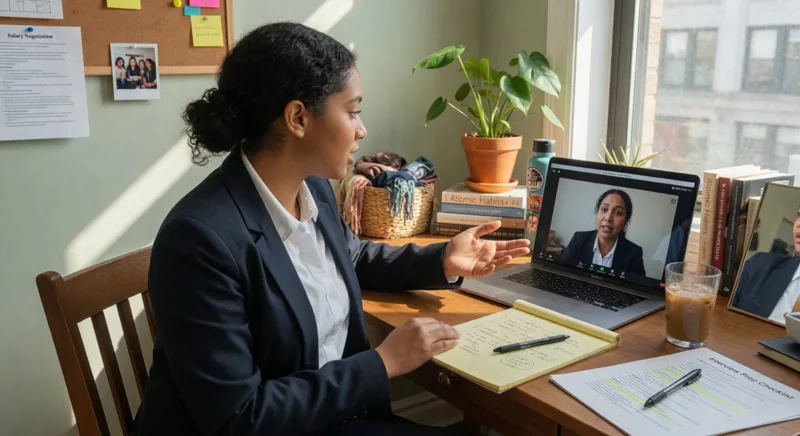
Your first interview can feel intimidating, but preparation makes it much easier. Reviewing the first job interview questions to prepare for helps you organize your thoughts, explain your strengths, and enter the conversation with confidence—even if you have limited professional experience.
Why Interview Preparation Matters
Employers hiring for entry-level jobs do not expect you to have an impressive career history. Instead, they often look for communication skills, reliability, curiosity, teamwork, and a willingness to learn. Your examples can come from school, volunteering, internships, sports, community activities, or part-time work.
Before the interview, study the job description and research the employer. Pay attention to repeated keywords, such as customer service, organization, problem-solving, collaboration, or attention to detail. These clues show which qualities you should emphasize in your answers.
Common First Job Interview Questions
1. Tell Me About Yourself
This is usually an invitation to give a brief professional introduction—not your entire life story. Mention your current situation, relevant skills or experience, and why the opportunity interests you.
Simple structure: “I’m currently studying or completing ____. Through school, volunteering, or previous activities, I’ve developed skills in ____. I’m interested in this role because ____.”
2. Why Do You Want This Job?
Connect your interests to the role. A strong answer shows that you understand the position and have a genuine reason for applying. Avoid focusing only on the paycheck or schedule.
You might explain that you enjoy helping people, want to develop technology skills, are interested in the industry, or appreciate the opportunity to learn from an experienced team.
3. What Do You Know About Our Company?
Interviewers ask this to see whether you prepared. Learn what the company does, who it serves, and what the position involves. Then mention one or two specific details in your answer.
For example: “I understand that your company provides ____. I was especially interested in ____ because it connects with my experience and interest in ____.”
4. What Are Your Greatest Strengths?
Choose two strengths that match the job description and support each one with a short example. Useful entry-level strengths include:
- Dependability and punctuality
- Clear communication
- Organization
- Adaptability
- Teamwork
- Learning new tools quickly
- Problem-solving
Instead of simply saying you are organized, describe how you managed deadlines for a class project, coordinated an event, or balanced school with other responsibilities.
5. What Is a Weakness You Are Working On?
Choose a genuine but manageable weakness, then explain the steps you are taking to improve. Do not present a strength disguised as a weakness, such as “I work too hard.”
A thoughtful answer might be: “I used to hesitate to ask questions because I wanted to solve everything independently. I’m improving by clarifying expectations early and asking for guidance when it can prevent mistakes.”
6. Tell Me About a Challenge You Faced
This is a behavioral interview question. You can use an example from school, volunteering, athletics, family responsibilities, or a previous job. Focus on the problem, your response, and what you learned.
7. Tell Me About a Time You Worked on a Team
Describe your specific contribution rather than only discussing what the group accomplished. Explain how you communicated, handled different opinions, completed your responsibilities, or helped the team meet its goal.
8. How Do You Handle Mistakes?
Employers understand that people make mistakes, especially in their first job. Show accountability by explaining how you identify the issue, communicate it, correct it, and prevent it from happening again.
9. Where Do You See Yourself in a Few Years?
You do not need to have your entire career planned. Discuss skills you hope to develop and the type of responsibility you would like to take on. Keep your answer realistic and connected to the position.
10. Why Should We Hire You?
Summarize your most relevant qualities. Emphasize your work ethic, interest in the role, transferable skills, and willingness to learn. A confident answer does not need to claim that you are better than every other candidate.
Use the STAR Method for Behavioral Questions
The STAR method helps you give structured answers without rambling. It stands for:
- Situation: Explain the context.
- Task: Describe your responsibility or goal.
- Action: Explain the steps you personally took.
- Result: Share the outcome and what you learned.
Prepare three or four short stories involving teamwork, problem-solving, leadership, responsibility, and overcoming a challenge. Your examples do not need to come from paid employment; school projects, volunteer activities, and extracurricular experiences can demonstrate the same skills.[1]
Questions to Ask the Interviewer
Near the end, the interviewer may ask whether you have questions. Saying yes shows preparation and interest. Consider asking:
- What would a typical day in this role look like?
- What qualities help someone succeed in this position?
- What training is provided for new employees?
- How would performance be evaluated?
- What are the next steps in the hiring process?
Final First Job Interview Checklist
- Reread the job description and identify important skills.
- Research the employer and prepare a few relevant details.
- Practice answers aloud without memorizing every word.
- Prepare examples using the STAR method.
- Choose clean, appropriate clothing.
- Plan your route or test your video and audio for a virtual interview.
- Bring copies of your resume, a pen, and several questions.
The first job interview questions to prepare for are designed to reveal how you think, communicate, and respond to responsibility—not whether you already know everything. Prepare clear examples, stay honest, and let your willingness to learn come through. With practice, your first interview becomes less of a test and more of a conversation about how you can contribute.
You May Also Like
 Careers
What No One Explains About the First Year of Work
 Careers
Understanding Employee Benefits for the First Time
 Real Estate
Your First Apartment Checklist After Graduation