Making Friends During Your First Month on Campus
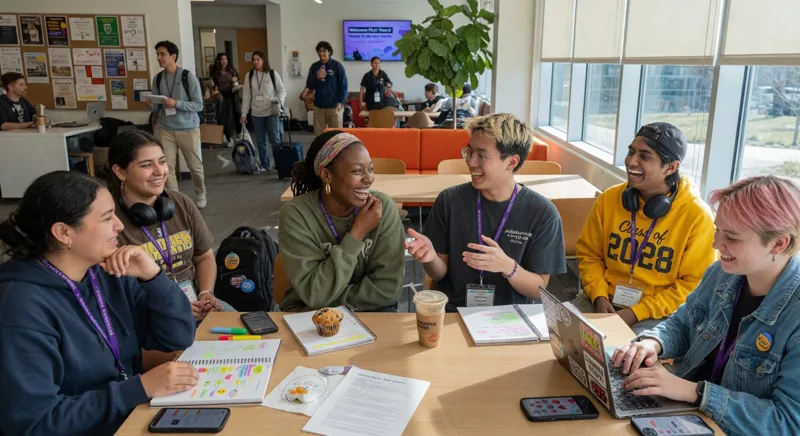
Making friends during your first month on campus can feel exciting, awkward, and overwhelming all at once. The good news? You do not need to meet everyone or find a lifelong friend immediately. A few small, repeated interactions can grow into a supportive campus community.
Start With Small, Low-Pressure Conversations
The easiest way to make friends in college is to begin with simple conversations. You do not need a perfect opening line or an instantly fascinating story. A friendly question is often enough to create a connection.
- “Have you been to this building before?”
- “What program or major are you studying?”
- “Did you understand that assignment?”
- “Are you going to the campus event tonight?”
- “Do you know a good place to grab lunch?”
Arrive a few minutes early to lectures, sit near other students, and say hello before class begins. Shared experiences—such as a confusing timetable, a challenging course, or an unfamiliar campus building—make natural conversation starters.
Use Orientation Week to Build Your Social Circle
Orientation activities are designed to help new students meet one another, so take advantage of them even if large gatherings make you nervous. Attend residence-hall events, campus tours, welcome talks, student mixers, and first-year activities.
You do not have to stay for an entire event. Set a manageable goal, such as introducing yourself to two people or staying for 30 minutes. If you meet someone you enjoy talking with, suggest a simple next step: getting coffee, eating lunch, or walking to your next class together.
Join Clubs, Societies, and Campus Activities
Joining a student club is one of the most reliable ways to meet people with similar interests. Look beyond the most popular organizations and consider activities connected to your hobbies, culture, academic interests, values, or career goals.
- Student societies and academic clubs
- Intramural sports and fitness groups
- Volunteer programs and community projects
- Music, theater, art, or creative writing groups
- Faith-based and cultural organizations
- Gaming, language, book, or film clubs
- Peer mentoring and first-year programs
Try attending the first meeting before deciding whether a group is right for you. Friendships usually develop through repeated contact, so showing up more than once matters. Universities commonly recommend clubs, volunteering, sports, and shared-interest groups as practical ways to create regular social opportunities.[1][2]
Make Friends in Your Residence Hall
Your accommodation can become a natural setting for meeting people. Keep your door open when appropriate, spend time in shared kitchens or lounges, and participate in residence-life events. Even brief conversations with neighbors can become familiar friendships over time.
Invite nearby students to cook together, watch a movie, attend a campus event, or study in a common area. If you live off campus, look for commuter student groups, department events, study spaces, and student union activities so you still have regular opportunities to connect.
Turn Classmates Into Friends
Academic friendships are especially valuable because you already share a schedule and common goals. Introduce yourself to students sitting nearby, exchange contact information, and suggest a study session before an upcoming quiz or assignment.
A study group does not have to be highly formal. You might meet at the library for an hour, compare notes after class, or work quietly in the same café. These low-pressure routines can create stronger connections than one-time social events.
Follow Up Instead of Waiting
Many promising connections fade because nobody follows up. If you enjoyed speaking with someone, send a short message or make a specific invitation.
- Reference your previous conversation.
- Suggest a clear activity.
- Offer a convenient time.
- Keep the invitation casual and easy to decline.
For example: “It was nice meeting you at orientation. I’m getting lunch near the student center tomorrow around noon—would you like to join me?” Specific invitations are easier to answer than “We should hang out sometime.”
What If You Feel Shy or Lonely?
Feeling homesick or lonely during the first month is common, even when other students appear confident and socially settled. Many people are also hoping someone else will start the conversation. Focus on gradual progress rather than comparing your social life with carefully edited posts online.
Choose environments that feel manageable. A small workshop, volunteer shift, or quiet study group may be more comfortable than a crowded party. You can also stay connected with people at home while building new relationships on campus. Student wellbeing services, counseling teams, resident assistants, and peer mentors can provide support if loneliness begins affecting your mental health.[2][3]
A Simple First-Month Friendship Plan
| Week | Practical goal |
|---|---|
| Week 1 | Attend orientation events and introduce yourself to classmates or neighbors. |
| Week 2 | Explore the student involvement fair and try two clubs or activities. |
| Week 3 | Invite one or two people to lunch, coffee, or a study session. |
| Week 4 | Return to activities where you felt comfortable and build a regular routine. |
Give Friendships Time to Develop
Making friends during your first month on campus is less about collecting contacts and more about creating repeated moments of connection. Say hello, participate consistently, follow up, and remain open to people outside your immediate course or residence hall.
You do not need a large social circle to feel at home. Start with one conversation, one shared activity, and one thoughtful invitation. With time, those small steps can become the friendships that make campus feel like your own.
You May Also Like
 Careers
What No One Explains About the First Year of Work
 Careers
Understanding Employee Benefits for the First Time
 Real Estate
Your First Apartment Checklist After Graduation