How to Handle Roommate Conflicts Early
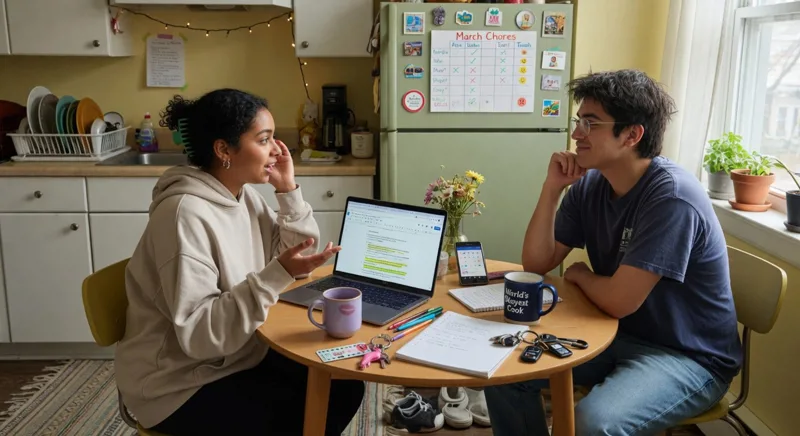
Learning how to handle roommate conflicts early can prevent small frustrations from becoming major arguments. Whether the issue involves chores, rent, noise, guests, privacy, or shared spaces, a calm conversation and clear boundaries can protect both your home environment and your relationship.
Why Addressing Roommate Problems Early Matters
Roommate conflicts rarely disappear on their own. A sink full of dishes may seem minor, but repeated annoyances can create resentment, passive-aggressive behavior, and uncomfortable living conditions.
Early communication gives everyone a chance to correct the problem before emotions take over. It also makes it easier to focus on a specific behavior rather than criticizing someone’s personality. A useful goal is not to “win” the argument—it is to create a living arrangement that feels fair and respectful.
Identify the Real Source of the Conflict
Before speaking with your roommate, clarify what is actually bothering you. Conflict may appear to be about cleaning, for example, but the deeper issue could be unequal effort, unclear expectations, or feeling ignored.
Common roommate disagreements involve:
- Chores and cleanliness
- Rent, utilities, and shared expenses
- Noise, sleep schedules, and quiet hours
- Guests, partners, and parties
- Food, personal belongings, and shared supplies
- Privacy and personal boundaries
- Temperature, pets, smoking, or substance use
- Different study, work, or social routines
Write down one or two specific examples instead of collecting a long list of complaints. Specific details make the conversation more productive and less accusatory.
Choose the Right Time and Place
Do not start a serious conversation when either person is rushing out, tired, intoxicated, or already angry. Ask for a private conversation at a time when both roommates can listen without distractions.
You might say, “Could we talk tonight about the cleaning schedule? I’d like us to find a system that works for both of us.” This approach gives your roommate notice and frames the discussion as problem-solving rather than confrontation.
Use “I” Statements Instead of Blame
Blaming language often makes people defensive. Replace statements such as “You are always messy” with a description of the behavior and its effect on you.
A simple formula is:
- Behavior: Explain what happened.
- Impact: Describe how it affects you.
- Need: State what would improve the situation.
For example: “I feel stressed when dishes stay in the sink for several days because I cannot use the kitchen comfortably. Could we agree to wash them the same day or place them in the dishwasher?”
This keeps the discussion focused on a solution instead of turning it into a personal attack.
Listen Before Offering a Solution
Conflict resolution requires two perspectives. After explaining your concern, allow your roommate to respond fully. They may have a different schedule, misunderstanding, financial pressure, or concern you had not considered.
Practice active listening by avoiding interruptions, asking clarifying questions, and briefly repeating what you heard. Try saying, “So you are saying the current utility split feels unfair because you are rarely home—is that right?”
Understanding does not mean you must agree with everything. It simply creates a stronger foundation for a practical agreement.
Create Clear Roommate Boundaries
Many roommate problems begin because expectations were never discussed. A written roommate agreement can clarify responsibilities and reduce future misunderstandings. It is usually a communication tool rather than a replacement for the lease, so review your rental agreement separately for legal obligations.
Discuss and document details such as:
- How rent and utilities will be divided
- Payment dates and what happens if someone is late
- Kitchen, bathroom, and living-room cleaning
- Quiet hours and work or study schedules
- Guest limits and overnight visitors
- Use of shared food, furniture, and household supplies
- Pet, smoking, and parking expectations
- How future disputes will be handled
Put agreements in writing through a shared document or message. Clear expectations are especially useful when roommates have different standards for cleanliness, privacy, or social activity.
Focus on Specific, Realistic Solutions
Once everyone has shared their concerns, brainstorm several options without immediately rejecting them. Then choose a solution that is specific enough to follow.
| Conflict | Practical agreement |
|---|---|
| Unequal chores | Rotate assigned tasks every week |
| Noise at night | Set quiet hours and use headphones afterward |
| Shared expenses | Record costs in a shared spreadsheet and set a payment date |
| Unexpected guests | Give advance notice and agree on overnight limits |
Set a check-in date after one or two weeks. If the arrangement is not working, adjust it rather than allowing frustration to build again.
Know When to Involve a Third Party
If repeated conversations do not help, consider a neutral mediator. Students may be able to contact a resident assistant, housing office, or residential advisor. Other renters might seek help from a property manager, tenant-support organization, or professional mediator, depending on the issue.
Keep records of important communication about rent, utilities, property damage, or repeated violations of the lease. Avoid making legal assumptions about eviction, deposits, or lease termination; those rules vary by location and may require qualified local advice.
Prioritize Safety Over Conflict Resolution
Not every roommate dispute should be handled through a private conversation. Threats, stalking, intimidation, violence, harassment, coercive control, or serious property damage require a safety-focused response. Leave the situation if necessary and contact emergency services or a trusted local support organization.
In unsafe circumstances, do not prioritize preserving the roommate relationship or arranging one more discussion. Your physical and emotional safety comes first.
Final Thoughts on Handling Roommate Conflicts Early
The best way to handle roommate conflicts early is to speak up while the problem is still manageable. Choose a calm moment, describe specific behavior, use “I” statements, listen carefully, and agree on a measurable change. Clear roommate boundaries, fair expense arrangements, and regular check-ins can turn recurring tension into a more comfortable and respectful home.
References
You May Also Like
 Careers
What No One Explains About the First Year of Work
 Careers
Understanding Employee Benefits for the First Time
 Real Estate
Your First Apartment Checklist After Graduation