Finding Clubs That Make College Feel Smaller
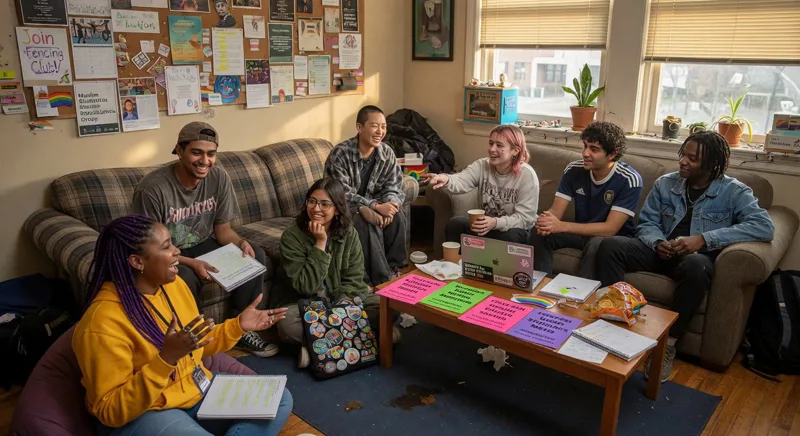
Finding clubs that make college feel smaller can turn a huge campus into a place where familiar faces, shared interests, and real friendships grow naturally. The right student organization can help you feel connected, supported, and more at home—whether you are a first-year student, commuter, transfer student, or graduate student.
Why College Clubs Create a Stronger Sense of Belonging
Large lecture halls and busy campuses can feel anonymous. Student clubs provide a smaller community where people gather regularly around a shared interest, identity, goal, or cause. Over time, repeated conversations can become friendships, and casual acquaintances can become a dependable support network.
Research on student involvement consistently connects participation in campus organizations with stronger feelings of belonging. Students involved in clubs often report feeling more accepted, comfortable, and connected to their college community.[2] Clubs may also help students develop communication, teamwork, leadership, and problem-solving skills that complement classroom learning.[1]
The goal is not to join every organization listed in the student activities directory. It is to find one or two groups where showing up feels manageable and meaningful.
What Types of Clubs Make College Feel Smaller?
Different clubs create different kinds of connections. Consider what type of community would help you feel most comfortable.
Academic and Major-Based Organizations
Academic clubs are useful if you want to meet classmates who understand your coursework, career interests, and day-to-day challenges. These groups may include business associations, pre-med clubs, engineering societies, student media organizations, or department-based honor societies.
Because members often share classes or professional goals, academic organizations can make it easier to ask questions, form study groups, and learn about internships, mentorship, and career development.
Identity, Cultural, and Affinity Groups
Cultural organizations, LGBTQ+ student groups, first-generation networks, international student clubs, and disability advocacy organizations can offer a strong sense of recognition and support. These communities may be especially valuable when you are looking for people who share aspects of your identity or life experience.
Many affinity groups also welcome allies and students who want to learn. Read each organization’s description or attend a meeting to understand its purpose and expectations.
Hobby and Interest Clubs
Hobby groups are often among the easiest places to make friends because conversation starts naturally. Look for clubs related to:
- Photography, filmmaking, art, or creative writing
- Music, dance, theater, or gaming
- Cooking, gardening, or sustainability
- Hiking, climbing, fitness, or intramural sports
- Books, languages, technology, or entrepreneurship
You do not need advanced experience to participate. Many clubs are designed for beginners and focus more on regular involvement than expertise.
Service and Volunteer Organizations
Volunteer clubs bring students together through a shared purpose. Food drives, tutoring programs, environmental projects, and community outreach can create meaningful connections while helping you explore values and causes that matter to you.
Service organizations may also connect students with faculty, community partners, and professional mentors. That combination can support both personal growth and career exploration.[3]
Faith-Based and Values-Based Groups
Faith-based organizations and groups centered on political, ethical, or social interests can provide consistent community and thoughtful conversation. These clubs often host discussions, gatherings, service projects, and cultural events.
Choose groups where members treat differing perspectives respectfully. A healthy student organization should make room for questions, boundaries, and honest conversation.
How to Find the Right Student Organization
Start with your college’s student activities website, campus events calendar, student union, residence life office, or club directory. Welcome fairs and involvement expos are especially useful because you can speak with several groups in one place.
- Search by interest. Use terms such as “college clubs,” “student organizations,” “campus activities,” “cultural organizations,” or your specific hobby.
- Check the meeting schedule. A club that meets at a realistic time is more likely to become part of your routine.
- Attend before committing. Try one meeting, workshop, practice, or volunteer event.
- Notice the atmosphere. Do members introduce themselves? Can new students participate? Does the group feel welcoming?
- Look for consistency. Regular meetings and smaller events usually create stronger relationships than occasional large gatherings.
Questions to Ask Before Joining a Club
Before committing your time, ask:
- How often does the organization meet?
- Are new members welcome throughout the semester?
- Is attendance expected, or is participation flexible?
- Does the club charge membership dues or event fees?
- What activities happen outside regular meetings?
- Are there leadership, mentoring, or volunteer opportunities?
- Can commuters, online students, or part-time students participate?
These questions can help you avoid a group that demands more time, money, or social energy than you can reasonably give. College involvement should support your well-being, not compete with your basic responsibilities.
How to Make a Large Campus Feel More Personal
Joining a club is only the first step. Arrive a few minutes early, introduce yourself to another member, and return to the next meeting. Familiarity grows through small repeated actions, not one perfect conversation.
Consider taking on a simple responsibility, such as helping set up an event, managing a group chat, or welcoming new attendees. Small contributions make it easier to move from being a visitor to being part of the community.
It is also fine to try several organizations before choosing. You may discover that a small volunteer group, recreational club, or identity-based community feels more comfortable than a large, highly structured organization.
Final Thoughts on Finding Clubs That Make College Feel Smaller
Finding clubs that make college feel smaller is less about building an impressive résumé and more about creating a dependable circle of connection. Look for groups that match your interests, values, schedule, and comfort level. Show up consistently, stay curious, and give relationships time to develop.
The right club can give you familiar faces across campus, opportunities to grow, and a place where you do not have to feel like just another student in a crowd.
You May Also Like
 Careers
What No One Explains About the First Year of Work
 Careers
Understanding Employee Benefits for the First Time
 Real Estate
Your First Apartment Checklist After Graduation